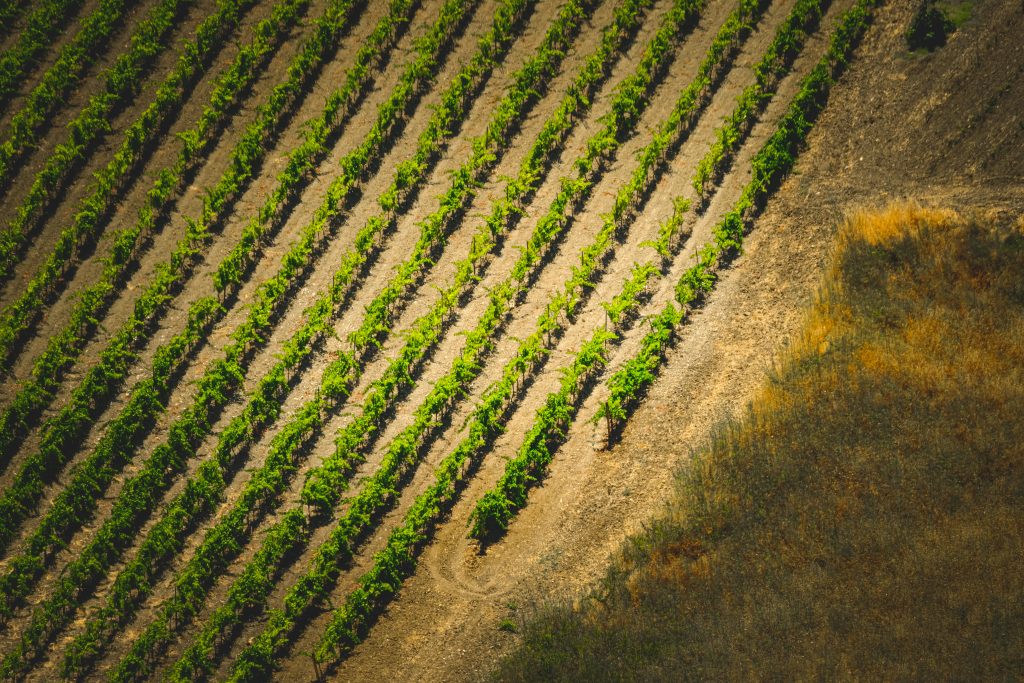
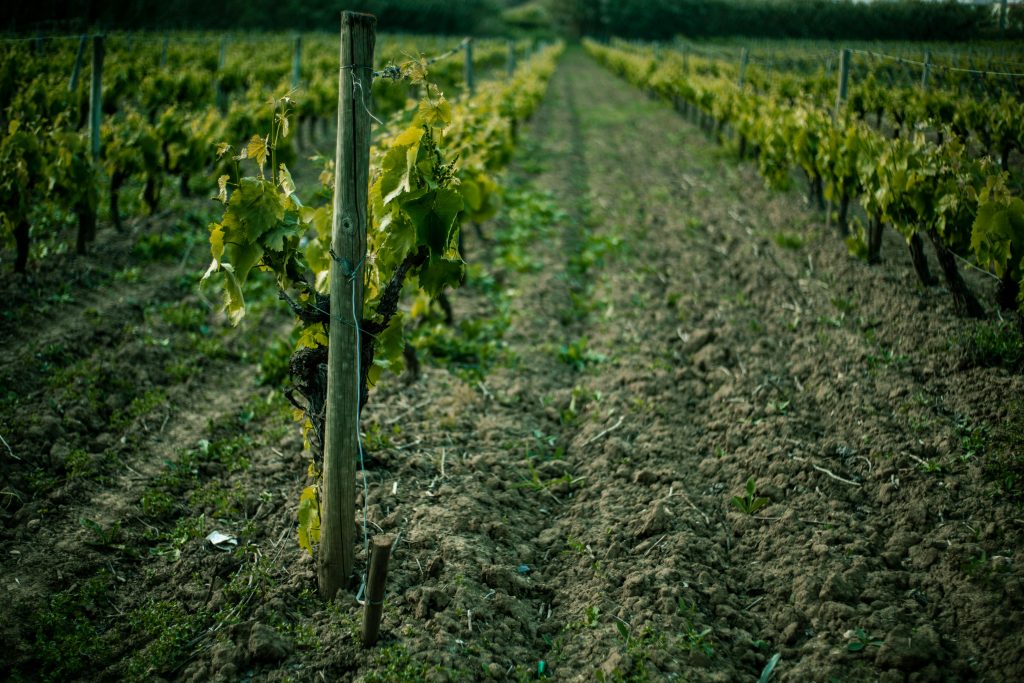
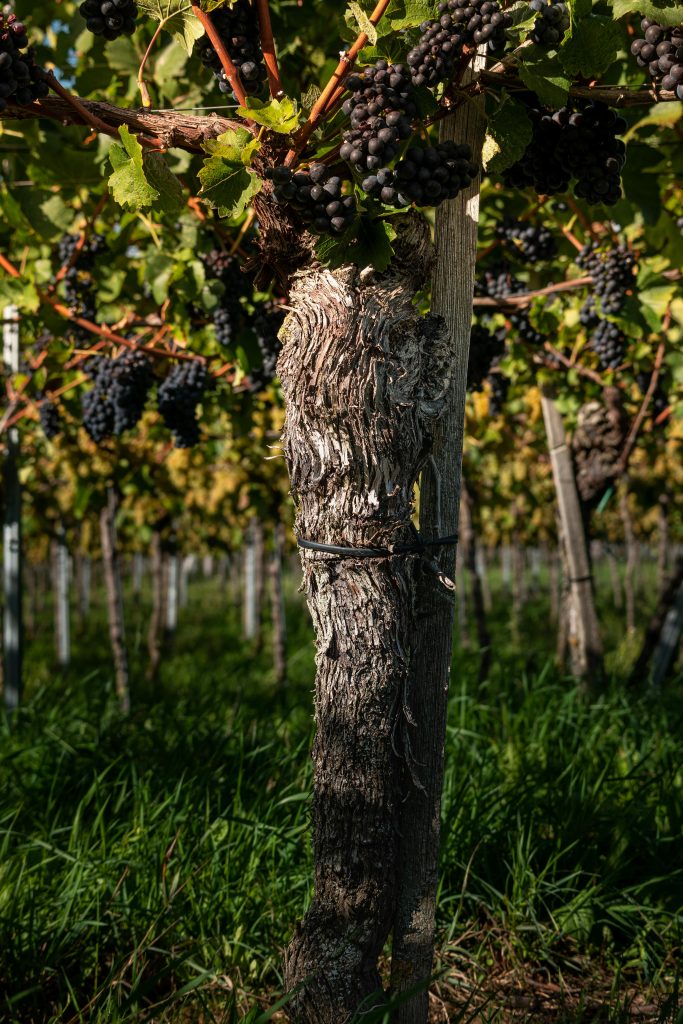
Sustainability is at the heart of the natural wine movement, with many wineries going beyond organic and biodynamic practices to embrace regenerative agriculture, carbon-neutral production, and low-impact winemaking. These eco-friendly wineries not only produce outstanding natural wines but also lead the way in environmental responsibility. Here are the best sustainable natural wineries to visit.
1. France: Sustainability Meets Tradition
French winemakers have long embraced organic and biodynamic practices, and many are now pioneering fully sustainable approaches.
Domaine de la Romanée-Conti – Burgundy
A legendary producer practicing biodynamic farming with a deep commitment to soil health.
Works with composting, natural cover crops, and manual vineyard management.
Tastings are extremely exclusive but offer a glimpse into the world’s most coveted sustainable wines.
Château Palmer – Bordeaux
A leading Bordeaux estate with full biodynamic certification.
Reduces carbon emissions through low-impact farming and energy-efficient production.
Tastings include a focus on the estate’s holistic vineyard approach.
Domaine Leflaive – Burgundy
One of Burgundy’s most respected biodynamic estates.
Utilizes eco-friendly vineyard management and a circular waste system.
Offers immersive tastings in Puligny-Montrachet.
2. Italy: Sustainable Farming and Timeless Winemaking
Italy is home to some of the most forward-thinking sustainable wineries, blending old-world tradition with modern environmental responsibility.
Azienda Agricola COS – Sicily
A pioneer in biodynamic winemaking, using amphora fermentation to reduce energy consumption.
Committed to preserving Sicily’s indigenous grape varieties.
Tastings highlight the connection between nature and winemaking.
Foradori – Trentino
A leader in regenerative farming and soil restoration.
Uses no chemicals, hand-harvests, and works with ancient winemaking techniques.
Tastings include amphora-aged wines and discussions on sustainability.
Salcheto – Tuscany
A carbon-negative winery using renewable energy and water conservation.
One of the most eco-conscious producers in Chianti.
Offers tours that focus on the intersection of sustainability and wine quality.
3. Spain: Leading the Way in Regenerative Agriculture
Spanish winemakers are embracing sustainability, from dry-farming to innovative water conservation.
Bodega Recaredo – Penedès
A biodynamic producer of sparkling wines using 100% renewable energy.
Focuses on soil biodiversity and wildlife conservation.
Tastings include deep dives into sustainable viticulture and long-aged cavas.
Dominio del Águila – Ribera del Duero
A zero-waste winery with dry-farmed, old-vine vineyards.
Uses natural yeasts, no irrigation, and gravity-fed winemaking.
Offers tastings centered around terroir and eco-friendly wine production.
Barranco Oscuro – Andalusia
A natural winery at high altitude, minimizing environmental impact.
Works with extreme climate conditions and natural vineyard cycles.
Tastings feature mountain-grown wines with zero added sulfur.
4. Portugal: Low-Impact Winemaking in Ancient Vineyards
Portugal’s wineries are pushing sustainability with eco-friendly innovations and heritage preservation.
Herdade do Esporão – Alentejo
One of Portugal’s most sustainable estates, certified organic and regenerative.
Reduces water use and runs on solar energy.
Tastings include vineyard tours that showcase sustainable winemaking in action.
Azores Wine Company – Azores
A leader in low-impact viticulture on volcanic soils.
Uses natural wind protection instead of chemicals.
Offers tastings with a focus on preserving rare indigenous grapes.
5. United States: Innovation in Eco-Friendly Winemaking
Sustainability is a major focus for American natural winemakers, with many adopting carbon-neutral and zero-waste practices.
Tablas Creek Vineyard – California
A pioneer in regenerative farming and carbon sequestration.
Uses holistic vineyard management and sheep grazing to maintain soil health.
Tastings explore the impact of climate-friendly farming on wine.
Frey Vineyards – California
The first organic and biodynamic-certified winery in the U.S.
Produces additive-free wines using solar power and sustainable water systems.
Tastings include discussions on zero-sulfur winemaking.
Johan Vineyards – Oregon
A biodynamic winery practicing no-till farming and compost cycling.
Works with minimal intervention and native yeast fermentations.
Offers in-depth vineyard tours highlighting their sustainable efforts.
6. Australia & New Zealand: Sustainability in the Southern Hemisphere
Natural winemakers in Australia and New Zealand are leading the way in sustainable viticulture.
Cullen Wines – Margaret River, Australia
A fully carbon-positive, biodynamic winery.
Uses composting, organic sprays, and renewable energy.
Offers tastings that focus on biodynamic principles and climate action.
Millton Vineyards – Gisborne, New Zealand
The first certified biodynamic winery in New Zealand.
Works with holistic vineyard management and native biodiversity.
Tastings highlight the purity of naturally farmed wines.
Ochota Barrels – Adelaide Hills, Australia
A minimal-intervention producer working with dry-farmed, organic vineyards.
Practices hands-off winemaking for vibrant, terroir-driven wines.
Tastings showcase the balance between sustainability and wild fermentations.
Sustainable natural wineries are redefining the future of winemaking, showing that environmental responsibility and high-quality wine go hand in hand. Whether in France, Italy, Spain, Portugal, the U.S., or the Southern Hemisphere, these eco-conscious producers are crafting wines that are as good for the planet as they are for the palate.
Looking for more natural wine travel inspiration? Stay tuned for more guides on the best wineries and regions to visit around the world!