


Spain is one of the most exciting countries in the natural wine movement, blending ancient winemaking traditions with innovative, low-intervention approaches. From the rugged mountains of Sierra de Gredos to the volcanic vineyards of the Canary Islands, Spain offers an incredible diversity of terroirs and winemaking styles. Whether you’re a natural wine enthusiast or just beginning your journey, this guide will take you through the best regions, wineries, and travel tips for experiencing Spain’s vibrant natural wine scene.
1. What Makes Spanish Natural Wine Unique?
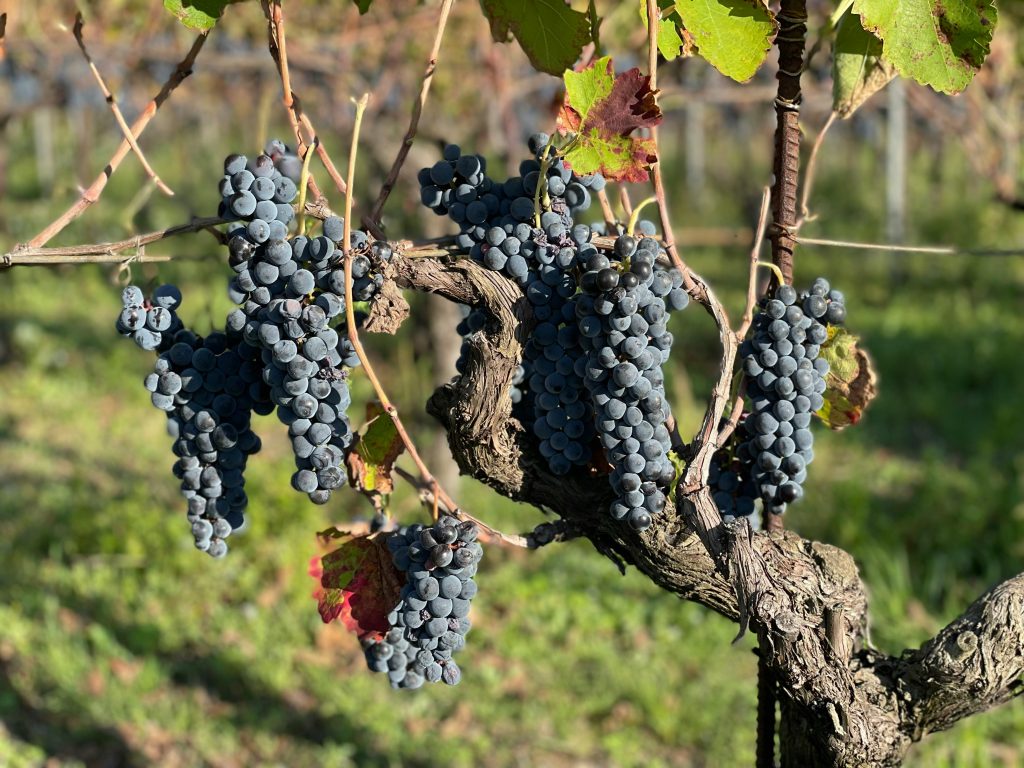
Spain’s natural wine movement is deeply connected to its rich winemaking history. Many Spanish winemakers still use ancient methods like amphora (tinajas), foot-stomping grapes, and extended skin contact.
Key Features of Spanish Natural Wine:
2. The Best Natural Wine Regions in Spain
Each of Spain’s wine regions offers something unique, from crisp Atlantic whites to bold Mediterranean reds.
Catalonia: The Heart of the Spanish Natural Wine Movement
Catalonia is home to some of Spain’s most innovative natural winemakers, especially in Penedès, where biodynamic farming and pét-nat production thrive.
Top Wineries to Visit:
Galicia: The Atlantic Coast & Minerally Whites
Galicia is known for its crisp, saline wines, influenced by the cool Atlantic climate.
Top Wineries to Visit:
Castilla-La Mancha: Spain’s Natural Wine Revolution
Traditionally a bulk wine region, Castilla-La Mancha is now seeing a resurgence in small-scale, natural winemaking.
Top Wineries to Visit:
Sierra de Gredos: Mountain Vineyards & Elegant Garnacha
This high-altitude region west of Madrid produces some of Spain’s most delicate, perfumed Garnachas.
Top Wineries to Visit:
Andalusia: Sherry Country Meets Natural Wine
Andalusia is famous for its fortified wines, but a new wave of natural winemakers is exploring unfortified expressions of local grapes.
Top Wineries to Visit:
The Canary Islands: Volcanic Terroir & Indigenous Grapes
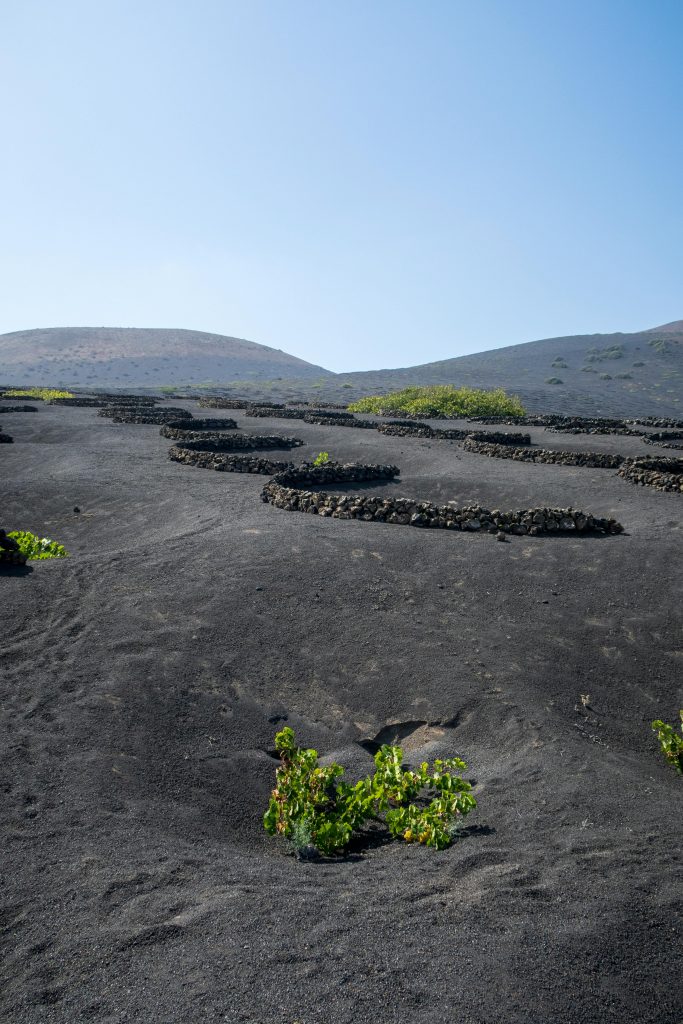
The Canary Islands are home to some of Spain’s most extreme and exciting natural wines, grown on volcanic soils and influenced by the Atlantic winds.
Top Wineries to Visit:
3. Best Natural Wine Bars & Shops in Spain
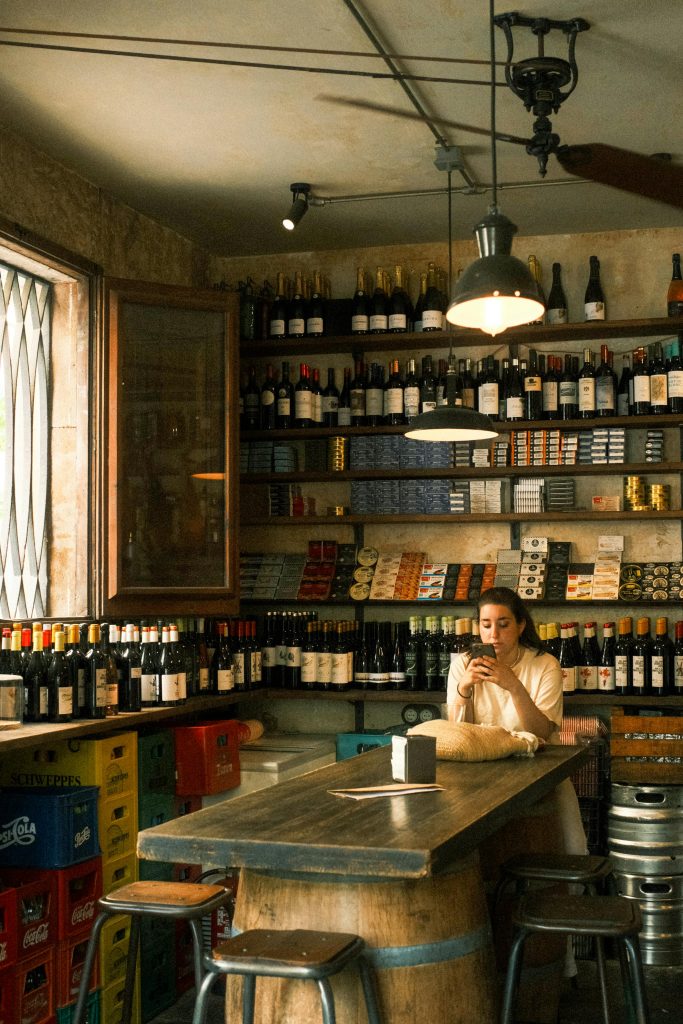
If you can’t make it to the vineyards, Spain’s cities are full of great natural wine bars and bottle shops where you can explore local producers.
Barcelona
Madrid
Seville
Valencia
4. Tips for Planning Your Natural Wine Trip to Spain
Spain is a paradise for natural wine lovers, offering diverse regions, passionate winemakers, and unforgettable landscapes. Whether you prefer crisp, Atlantic-influenced whites, juicy Mediterranean reds, or bold volcanic wines, Spain has something for every palate. By visiting these wineries, wine bars, and regions, you’ll get to experience the true soul of Spanish natural wine.
Looking for more natural wine travel inspiration? Stay tuned for more guides on the best wineries and wine regions to visit around the world!