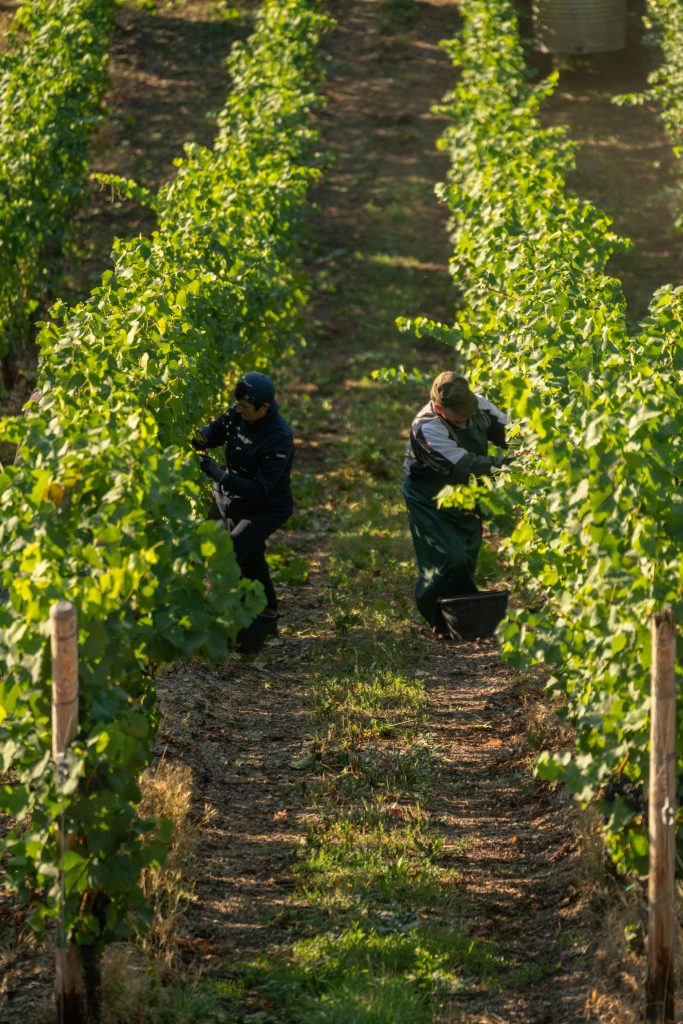
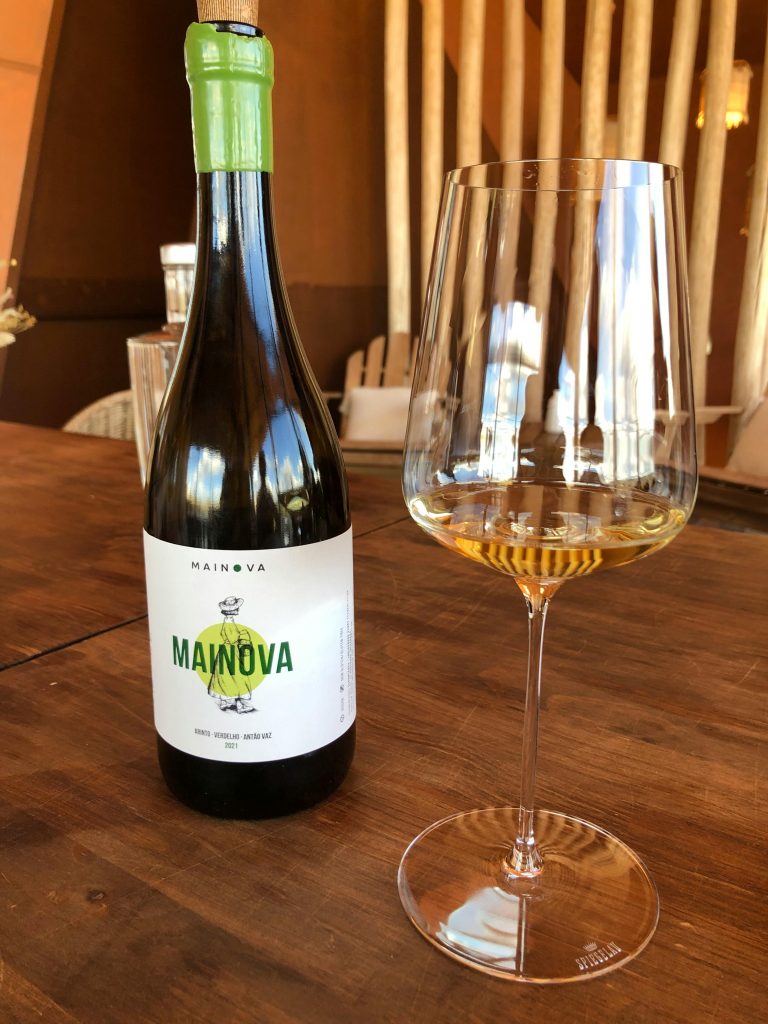
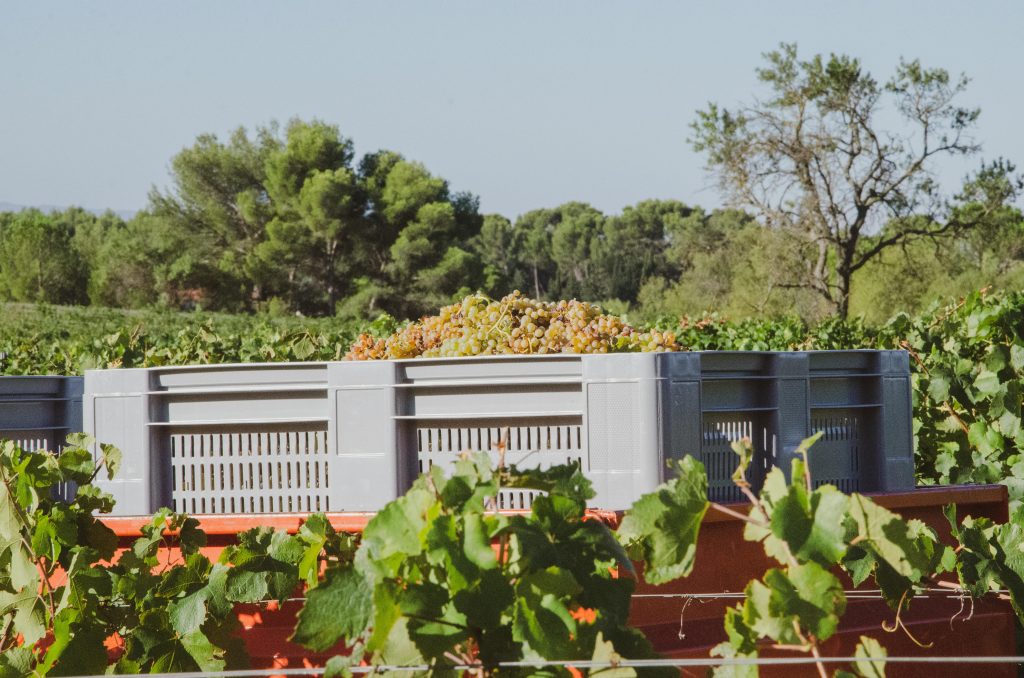
Portugal is one of Europe’s most exciting natural wine destinations, blending centuries-old winemaking traditions with modern minimal-intervention techniques. From the rugged landscapes of the Douro Valley to the coastal vineyards of Lisbon and the volcanic soils of the Azores, Portugal offers a diverse and dynamic natural wine scene. Here are the top wineries to visit for an authentic taste of Portugal’s natural wines.
1. Douro Valley: Natural Wines from Portugal’s Iconic Region
The Douro Valley, best known for Port wine, has also become a hub for natural winemakers crafting expressive, unfortified wines.
Quinta do Javali – Douro
A pioneer in biodynamic farming and natural winemaking in the Douro Valley.
Specializes in low-intervention reds from indigenous grapes like Touriga Nacional and Tinta Roriz.
Offers breathtaking vineyard views and immersive tastings.
Folias de Baco – Douro
Led by the innovative Tiago Sampaio, who blends traditional Douro grapes with modern techniques.
Produces fresh, vibrant, and minimal-intervention wines.
Tastings provide an intimate experience with one of the Douro’s most creative winemakers.
Quinta da Costa do Pinhão – Douro
A small-scale winery working with old vines and natural fermentation.
Creates soulful, textured wines with no additives.
Vineyard visits offer a glimpse into the evolving natural wine scene in the Douro.
2. Vinho Verde: Fresh, Low-Intervention Wines from the North
This region is famous for its crisp, high-acid wines, and a growing number of producers are embracing organic and biodynamic methods.
Aphros Wine – Lima Valleyatural Wine
Dão’s granite soils and high-altitude vineyards create ideal conditions for natural winemaking.
Casa de Mouraz – Dão
One of the first organic-certified wineries in Portugal.
Produces refined, unfiltered reds and whites from old vines.
Tastings provide insight into the biodiversity of the Dão region.
Antonio Madeira – Dão
A rising star focused on indigenous grape varieties and minimal intervention.
Works with field blends from century-old vineyards.
Offers small-batch, terroir-expressive wines that reflect the wild beauty of Dão.
4. Lisbon & Colares: Coastal Terroirs and Unique Microclimates
The Lisbon wine region and the nearby Colares DOC are home to some of Portugal’s most distinctive natural wines.
Casal Figueira – Lisbon
Specializes in naturally fermented, mineral-driven whites from Vital grapes.
Works with high-altitude vineyards, creating fresh and complex wines.
Tastings highlight the unique Atlantic influence on Lisbon’s wines.
Adega Viúva Gomes – Colares
A historic winery preserving the rare Ramisco and Malvasia de Colares grapes.
Produces unfiltered, age-worthy wines from pre-phylloxera vines.
A must-visit for those interested in Portugal’s unique coastal wines.
5. Alentejo: Wild and Experimental Natural Wines
Alentejo’s warm climate and diverse terroirs have attracted a wave of innovative natural winemakers.
Fitapreta Vinhos – Alentejo
Led by António Maçanita, a winemaker known for pushing boundaries.
Produces bold, expressive wines with native grape varieties.
Offers engaging tastings with a focus on sustainability and tradition.
Herdade do Rocim – Alentejo
A biodynamic producer working with amphora fermentation.
Specializes in unfiltered, skin-contact wines with deep character.
Tastings explore the ancient winemaking methods of Alentejo.
Susana Esteban Wines – Alentejo
A small-scale producer crafting vibrant, site-specific natural wines.
Works with old-vine, low-yield vineyards to create unique expressions of Alentejo.
Tastings provide a personal and educational experience.
6. The Azores: Volcanic Natural Wines in the Middle of the Atlantic
The Azores offer some of the most extreme and exciting terroirs for natural winemaking.
Azores Wine Company – Pico Island
Specializes in high-acid, saline whites from volcanic soils.
Works with native varieties like Arinto dos Açores and Verdelho.
Offers breathtaking views and some of Portugal’s most unique wines.
Curral Atlantis – Pico Island
A boutique winery focused on pure, expressive volcanic wines.
Uses spontaneous fermentations and low-intervention methods.
Tastings showcase the extreme conditions of Pico’s vineyards.
Insula Vinus – Terceira Island
A rising star crafting fresh, mineral-driven wines from old vines.
Works with indigenous grapes and organic farming techniques.
A great stop for those looking to explore the Azores’ growing natural wine scene.
Portugal’s natural wine movement is thriving, blending tradition with innovation across diverse landscapes. Whether you’re exploring the Douro Valley, Vinho Verde, Dão, Lisbon, Alentejo, or the Azores, these wineries offer an unforgettable glimpse into the future of Portuguese wine.
Looking for more natural wine travel inspiration? Stay tuned for more guides on the best wineries and regions to visit around the world!