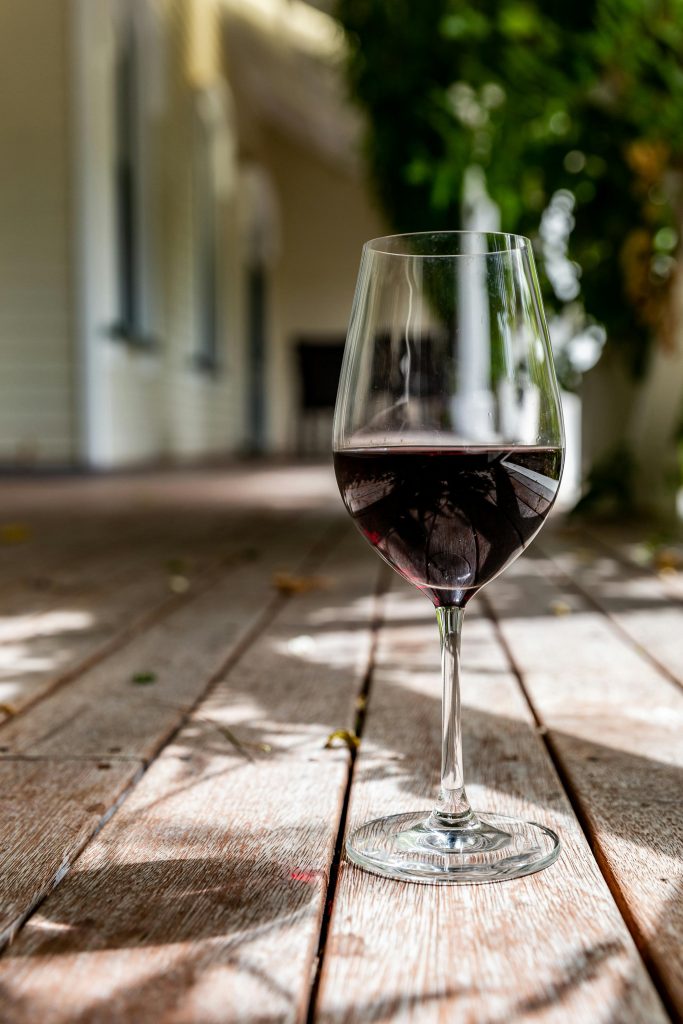
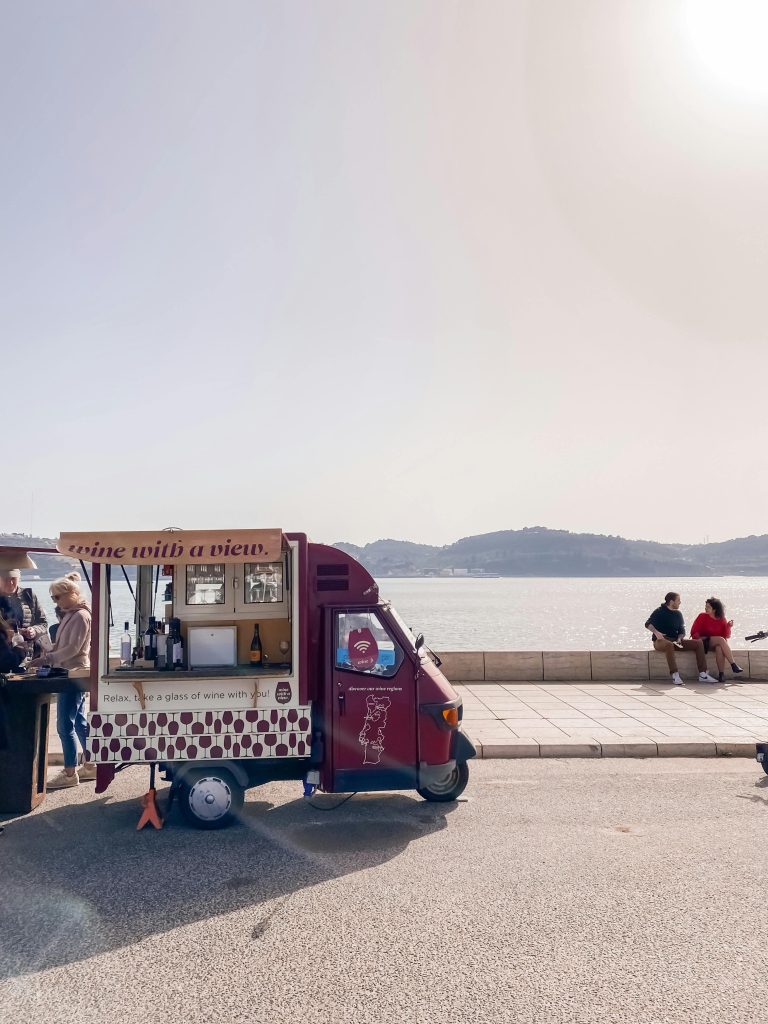
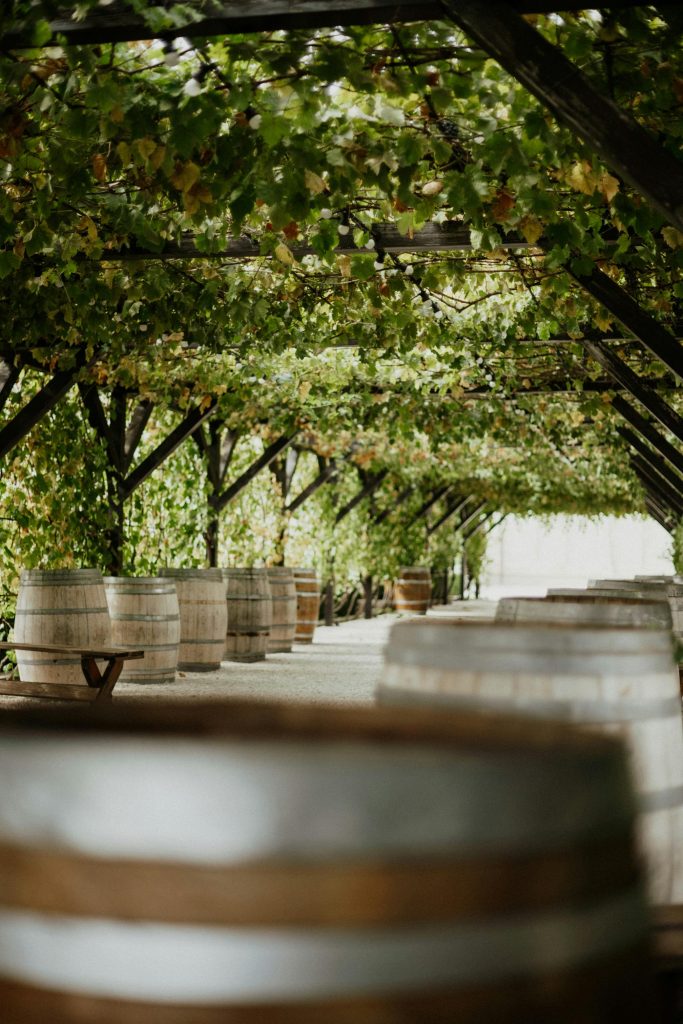
For those who love adventure and discovering hidden gems, visiting off-the-beaten-path natural wineries offers a rare chance to taste handcrafted, low-intervention wines in stunning, remote locations. These wineries may be hard to reach, but they reward visitors with breathtaking landscapes, authentic hospitality, and wines that express their wild, untamed terroirs. Here are the best unique natural wineries to visit for an unforgettable experience.
1. France: Hidden Natural Wine Gems
France is filled with lesser-known, small-scale winemakers crafting exceptional natural wines in remote areas.
Domaine des Miquettes – Northern Rhône
A tiny biodynamic estate making amphora-aged Syrah and Viognier.
Located in a lesser-known part of the Rhône Valley, away from the crowds.
Offers intimate tastings with the winemakers in their small stone cellar.
Domaine Labet – Jura
A cult-favorite producer specializing in oxidative and skin-contact wines.
Situated in the lesser-explored Jura region, known for its unique winemaking traditions.
Offers deep-dive tastings into Jura’s natural wine heritage.
Clos du Tue-Boeuf – Loire Valley
A historic winery producing wild, unfiltered Gamay and Chenin Blanc.
Located in a quiet, forested part of the Loire, with minimal tourism.
Tastings are relaxed and informal, often including barrel samples.
2. Italy: Wild and Remote Natural Wine Experiences
Italy’s natural wine movement thrives in lesser-visited regions, where passionate winemakers work with native grape varieties.
Azienda Agricola Cantina Giardino – Campania
A small producer reviving ancient Campanian grape varieties.
Located in the mountainous Irpinia region, far from mainstream wine tourism.
Offers tastings in a rustic, farmhouse setting.
Tenuta Vincenzo Nardone – Molise
A hidden gem in Italy’s least-known wine region.
Specializes in long-macerated whites and earthy reds.
Tastings are personal, often with the winemaker sharing stories of the land.
Ezio Cerruti – Piedmont
A micro-producer focusing on small-batch, natural Moscato.
Located in the hills of Castiglione Tinella, away from the Barolo tourist trail.
Tastings showcase rare, dry expressions of Moscato, unlike any other.
3. Spain: Remote Vineyards and Natural Wine Pioneers
Spain’s off-the-beaten-path wineries embrace extreme terroirs and forgotten grape varieties.
Bodega Marañones – Sierra de Gredos
Located in rugged, high-altitude vineyards outside Madrid.
Specializes in natural Garnacha with intense minerality.
Tastings include spectacular views of the surrounding mountains.
Vinyes Singulars – Penedès
A micro-winery crafting unique natural wines from old Catalan vineyards.
Remote location with few visitors, offering an intimate tasting experience.
Produces vibrant, low-intervention whites and pét-nats.
La Perdida – Galicia
A one-person winery reviving abandoned vineyards in northwest Spain.
Produces wild, rustic natural wines from obscure local grapes.
Tastings are deeply personal, offering a look into Galicia’s forgotten wine culture.
A historic estate growing grapes in sand dunes by the Atlantic.
Produces rare, salty Ramisco wines aged for decades.
Tastings are set in an old cellar, filled with century-old barrels.
Quinta da Serradinha – Lisboa
A tiny, family-run estate working with biodynamic farming.
Produces small-batch reds and amphora-aged whites.
Offers relaxed, informal tastings with stunning hilltop views.
Insula Vinus – Azores
Located on the remote volcanic island of Terceira.
Crafts high-acid, ocean-influenced whites from ungrafted vines.
Tastings include walks through wind-sheltered vineyard walls.
5. United States: Hidden Natural Wineries in Unexpected Places
While California dominates U.S. wine tourism, some of the most interesting natural wines come from lesser-known regions.
Old World Winery – Sonoma, California
A tiny, off-grid winery producing experimental natural wines.
Works with forgotten vineyard sites and ancient techniques.
Tastings are informal and set in a rustic, hand-built cellar.
La Garagista – Vermont
A pioneering natural winery working with hybrid grape varieties.
Located on a small farm in rural Vermont, away from any major wine region.
Tastings include homegrown food pairings and discussions on biodynamics.
Fossil & Fawn – Oregon
A micro-producer making playful, small-batch natural wines.
Located off the beaten path in the Willamette Valley.
Tastings are casual and experimental, often featuring limited-edition wines.
6. Australia & New Zealand: Wild Wineries in Extreme Locations
These remote wineries push the boundaries of natural winemaking in rugged, untouched landscapes.
Manon Farm – Adelaide Hills, Australia
A tiny, self-sufficient farm producing minimal-intervention wines.
Located high in the hills, completely off-grid.
Tastings are by appointment only and deeply immersive.
Pyramid Valley – New Zealand
A small biodynamic estate focusing on terroir-driven natural wines.
Nestled in a remote valley in the Canterbury region.
Tastings include deep discussions on soil health and vineyard ecosystems.
Brash Higgins – McLaren Vale, Australia
A micro-producer specializing in amphora-aged, natural wines.
Located in a secluded part of McLaren Vale, away from the big-name producers.
Tastings showcase skin-contact whites and wild-fermented reds.
Off-the-beaten-path natural wineries offer a rare opportunity to experience wine at its most authentic. Whether you’re exploring the mountains of Spain, the volcanic landscapes of Portugal’s Azores, the hidden corners of Italy, or the remote valleys of Australia and New Zealand, these wineries promise adventure, discovery, and some of the most exciting natural wines in the world.
Looking for more natural wine travel inspiration? Stay tuned for more guides on the best wineries and regions to visit around the world!