

Discover the island’s untamed wine scene, one glass at a time.

Why Mallorca for Natural Wine?
Mallorca isn’t just beaches, bikes and tapas. Beneath the postcard-perfect surface is a growing movement of winemakers working with intention, integrity, and a deep respect for the land. The natural wine scene here is raw, honest, and distinctly Mallorcan – shaped by native grapes, limestone soils, and a climate of extremes.
The island’s diversity of microclimates, from the dry plains to the humid coastlines and dramatic mountains, offers unique terroirs that lend complexity to the wines. Combined with a rising generation of winemakers embracing organic farming, low-intervention techniques, and a love for forgotten varietals, Mallorca has become a quiet hub for natural wine lovers.
Expect wines with a salty breeze, herbal Mediterranean notes, bright acidity, and sometimes a wild edge that makes you sit up and pay attention.

7 Must-Visit Natural Wineries on Mallorca
1. Cati Ribot (Santa Margalida)
Cati Ribot is a pioneer in Mallorca’s natural wine scene. Her project, Ve d’Avior, is deeply rooted in her family’s legacy, but with a bold commitment to no-added-sulphite wines. Cati focuses on reviving old, nearly forgotten native varieties like Escursac, and works entirely by hand with wild ferments and zero additions.
Try: Escursac – light-bodied, aromatic, and electric. Think Beaujolais with a Balearic soul.
Why visit: The tasting is as personal as it gets. You’ll feel like you’re stepping into a philosophy, not just a winery.

2. Panduro Vinos (Felanitx)
Panduro is a small, intimate project led by Danish-Mallorcan couple Jeppe and Maria. With a background in fine dining and deep respect for terroir, they craft wines that are playful, experimental, and deeply alive. Expect skin-contact whites, lightly sparkling field blends, and unexpected combinations.
Try: El Cosmico – a floral, slightly hazy white that dances between structure and freedom.
Why visit: While they don’t have a formal tasting room, reach out directly for a relaxed, off-the-grid visit with real conversations and beautiful bottles.

3. 4 Kilos Vinícola (Felanitx)
Founded by winemaker Francesc Grimalt and music producer Sergio Caballero, 4 Kilos has become one of the most recognized names in Mallorcan wine. Their focus is on biodynamics, amphora aging, and expressive local grapes. Their wines walk the line between natural and clean-cut, with complex profiles and artistic labels.
Try: 12 Volts – a vibrant blend with dark fruit, spice, and energy.
Why visit: They don’t offer public tastings, but you’ll find their wines in natural wine bars around the island. A must-try if you’re shopping local bottles.

4. Mesquida Mora (Porreres)
Barbara Mesquida Mora is a trailblazer in biodynamics, running her family winery with an eye toward balance in soil, spirit, and society. Her wines are soulful, intentional, and often poetic in naming and style. She champions local grapes and blends them with biodynamic rhythms and minimal intervention in the cellar.
Try: Trispol – a silky red blend with hints of dried herbs, smoke, and depth.
Why visit: Book a private tasting to learn about her philosophy of harmony and wine as a living system.
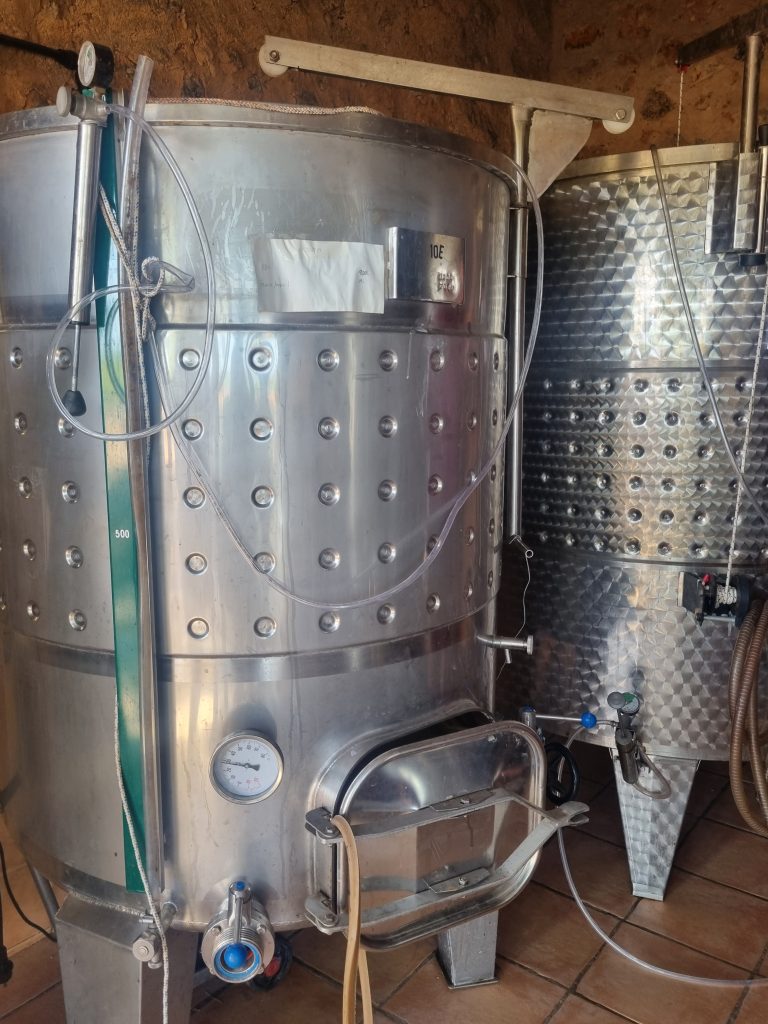
5. Celler Can Verdura (Binissalem)
Tomeu Llabrés founded Can Verdura with the goal of reclaiming the reputation of Mallorca’s indigenous varieties. Working primarily with Mantonegro and Callet, his wines are juicy, vibrant, and unpretentious, reflecting the relaxed warmth of the island.
Try: Supernova Negre – fruit-driven and spicy, but lifted and drinkable.
Why visit: A friendly, down-to-earth winery with tastings that feel like catching up with an old friend who happens to make great wine.
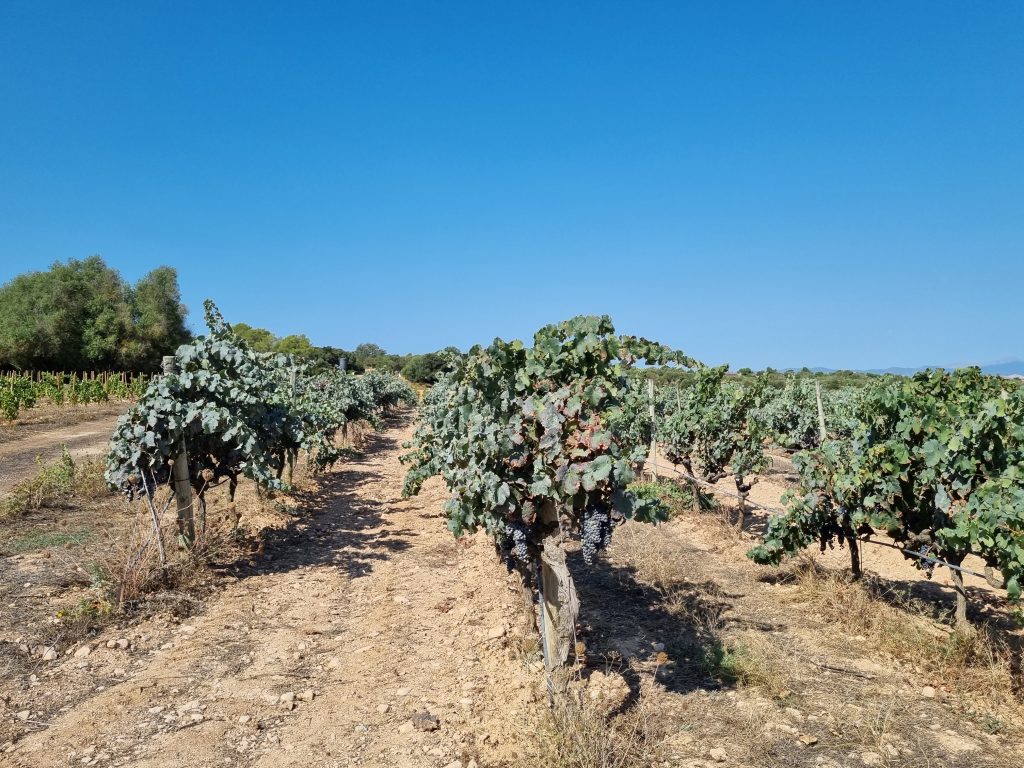
6. Celler Son Vives (Banyalbufar)
Located on dramatic seaside terraces, Son Vives is one of the most scenic winery visits on the island. They work primarily with Malvasía, a grape perfectly suited to the salty, windswept hillsides above the Mediterranean.
Try: Malvasía Sec – crisp, coastal, and floral with a lingering mineral finish.
Why visit: Come for the view, stay for the wine. A perfect mid-hike stop or golden hour escape.
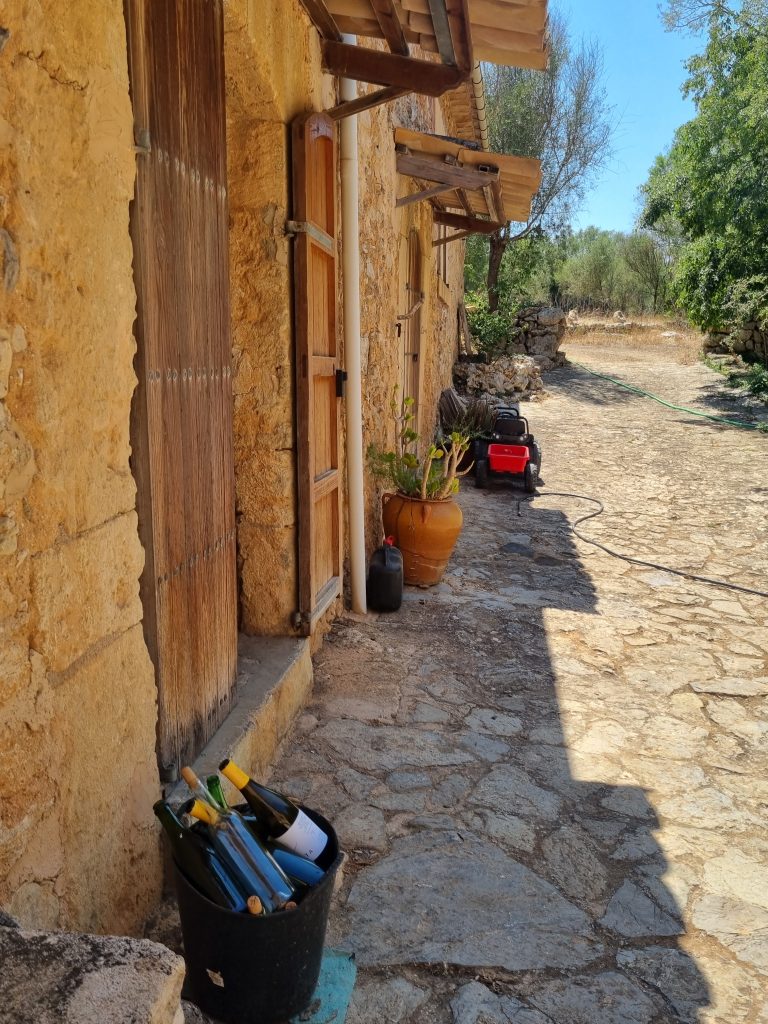
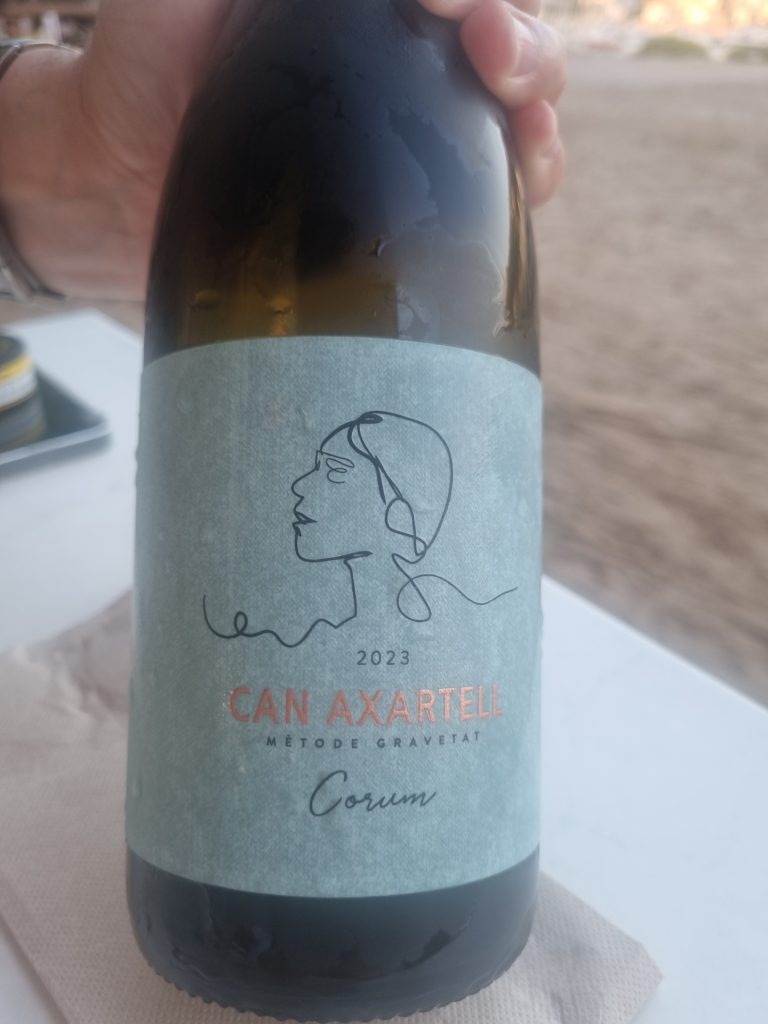
7. Bodega Can Axartell (Pollença)
A visually stunning, eco-conscious winery built into a valley, using gravity-fed vinification and underground cellars to preserve energy and precision. Their wines are clean but soulful, often with a foot in both the natural and classical worlds.
Try: Corum – a skin-contact white that balances structure, spice, and citrus.
Why visit: Professional, polished, and open for scheduled tours with a modern twist.
Where to Taste Natural Wine in Palma
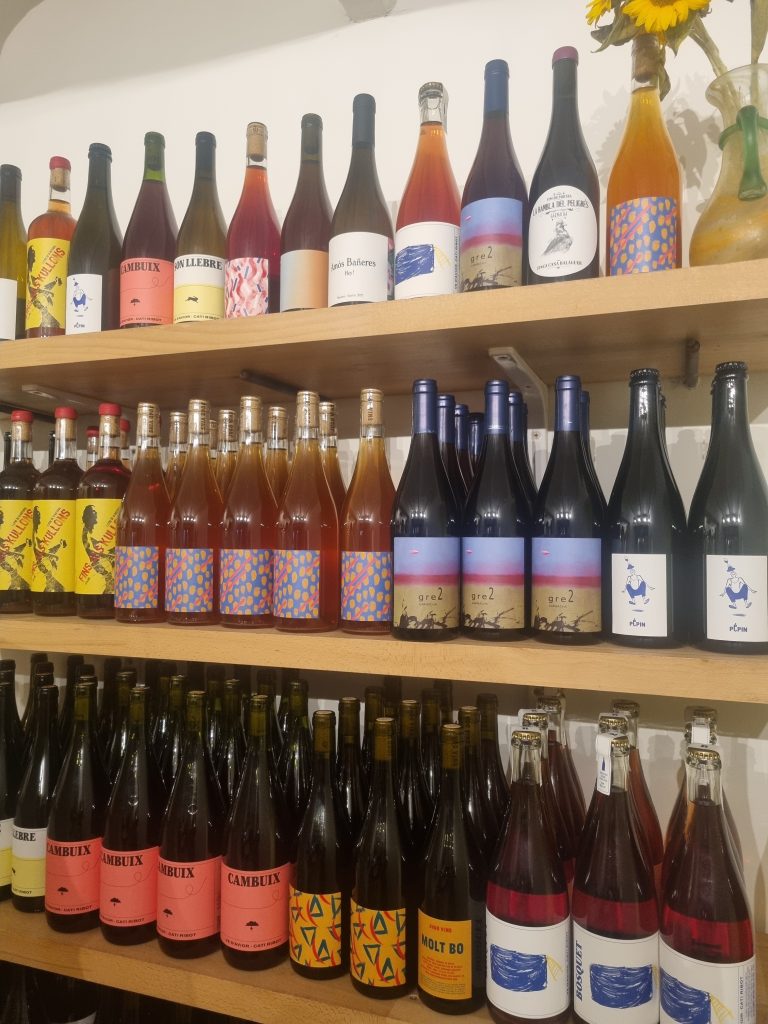
Not visiting vineyards? Palma offers several great options to sip your way through the island:
What Makes Mallorcan Natural Wine Unique?
Planning Your Wine Journey
Mallorca is an island that rewards slow exploration and its natural wines are no exception. Beneath the surface of traditional tourism lies a raw, expressive wine culture that is as untamed as the landscapes it grows in.
Natural wine is not just what Mallorca makes it’s what it is.